
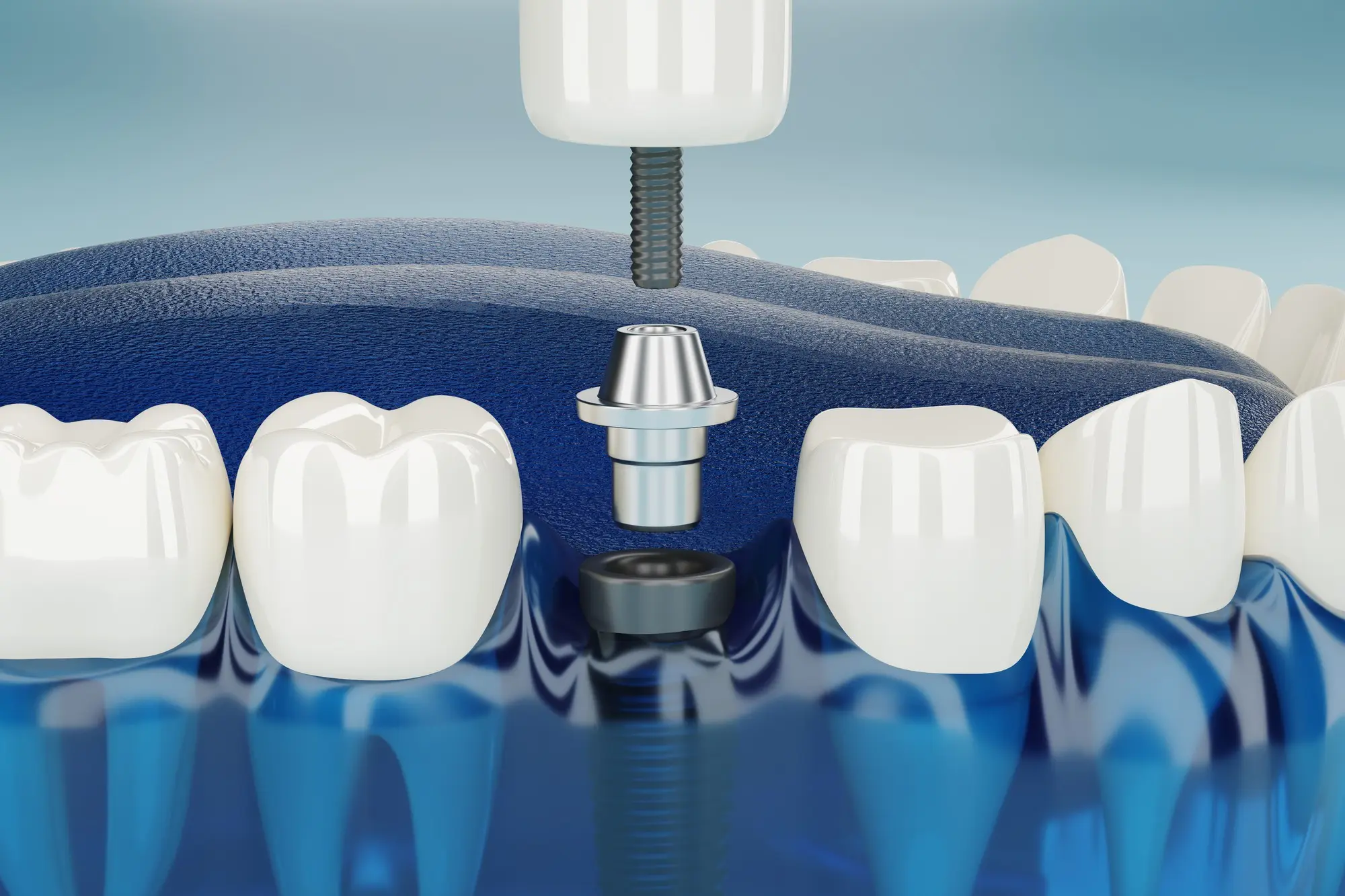
Eating the right foods after dental implant surgery plays a vital role in healing and long-term success. Following a soft-food diet and avoiding hard, crunchy, or sticky foods helps protect the implant while it integrates with the jawbone.
What to Eat the Day After Implant Surgery: Cool Liquid Diet
During the first 24 hours after dental implant surgery, it is important to choose cool, smooth liquids that are easy to consume and gentle on the surgical site. Foods such as yogurt, milkshakes (without a straw), smoothies, cold soups, protein shakes, and fresh fruit juices can provide essential nutrients while minimizing irritation. Avoid using a straw, as the suction can interfere with the healing process.
Staying well hydrated is just as important as eating. Drink plenty of cool water throughout the day to support recovery and maintain overall health. If you’re preparing smoothies or shakes, include protein-rich ingredients like Greek yogurt, milk, or nut butter to help promote tissue repair. Make sure all foods are at a comfortable cool temperature, as hot foods and beverages may increase sensitivity and delay healing.
Avoid crunchy, spicy, acidic, or chewy foods during this initial healing period, as they can irritate the surgical area or disturb the implant site. Alcohol, smoking, and carbonated drinks should also be avoided, as they may slow the healing process. Following your dentist’s dietary instructions during the first day helps reduce discomfort, supports faster recovery, and lays the foundation for a successful dental implant.
Food to Eat After Dental Implants
Choosing the right foods after dental implant surgery helps promote faster healing and protects the implant during recovery.
- Eat Soft, Nutritious Foods
During the first few days, choose soft foods like yogurt, mashed potatoes, oatmeal, scrambled eggs, smoothies, soups, cottage cheese, and well-cooked vegetables. - Gradually Add Soft Solids
As healing improves, introduce soft pasta, rice, steamed vegetables, soft fruits, flaky fish, tofu, and tender chicken. Drink plenty of water and eat protein-rich foods to support recovery. - Avoid Hard & Crunchy Foods
Stay away from nuts, chips, popcorn, chewing gum, hard candies, sticky foods, and very hot or spicy meals until your dentist confirms complete healing. Following these guidelines helps ensure a smooth recovery and long-lasting implant success.
Post-Dental Implant Diet Guidelines
Following the right diet after dental implant surgery is essential for proper healing and long-term implant success. During the first few days, stick to soft, easy-to-eat foods such as yogurt, mashed potatoes, soups, smoothies, scrambled eggs, and oatmeal. These foods provide essential nutrients while protecting the implant site.
Stay well hydrated by drinking plenty of water throughout your recovery. Avoid using a straw, as the suction can disturb the healing area and affect the implant. Also, avoid very hot foods and beverages during the initial healing period to reduce irritation and discomfort.

As healing progresses, gradually introduce soft solid foods while continuing to avoid hard, crunchy, sticky, or spicy foods. A balanced diet rich in protein, vitamins, and minerals supports tissue repair, strengthens healing, and helps your dental implant integrate successfully with the jawbone.
Avoid any hot foods or beverages
Avoid hot foods and beverages for the first few days after implant surgery, as they can irritate the surgical site and delay healing. Choose cool or lukewarm foods instead to promote a more comfortable recovery.
Do not drink through a straw
Avoid drinking through a straw after dental implant surgery, as the suction can disturb the healing site and increase the risk of complications. Drink directly from a glass to support proper recovery.
Do not smoke or drink alcoholic beverages
Avoid smoking and consuming alcoholic beverages after dental implant surgery, as both can delay healing and increase the risk of implant failure. Following your dentist’s instructions will help ensure a smooth recovery and long-term implant success.
Dental implants are a long-lasting and reliable solution for replacing one or more missing teeth. They consist of a small titanium post that is surgically placed into the jawbone, where it acts as an artificial tooth root. Over time, the implant naturally fuses with the bone through a process called osseointegration, creating a strong and stable foundation for a dental crown, bridge, or denture.
Unlike removable dentures, dental implants look, feel, and function like natural teeth. They restore your ability to chew comfortably, speak clearly, and smile with confidence while helping preserve the jawbone and maintaining the natural shape of your face. With proper oral hygiene, regular dental check-ups, and good overall care, dental implants can provide a durable, comfortable, and aesthetically pleasing tooth replacement solution for many years.