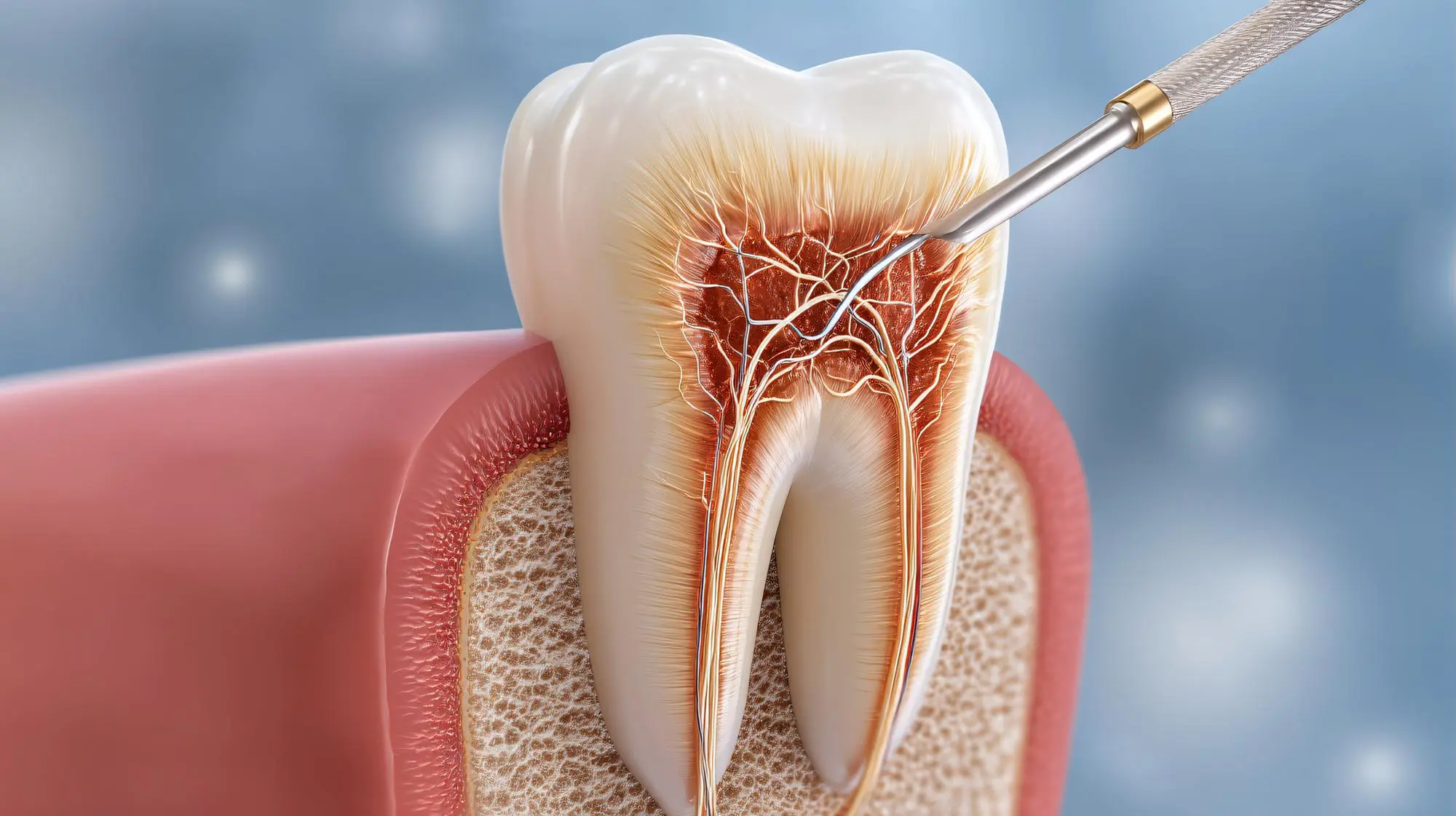
If you’re the parent of a child who needs root canal treatment, there are a few things you should know.


A healthy smile begins with simple daily habits. Encourage your child to brush twice a day with fluoride toothpaste, limit sugary snacks and drinks, and visit the dentist every six months for routine check-ups. These small steps help prevent cavities, support healthy jaw development, and build lifelong oral hygiene habits. Starting dental care early gives children the confidence to smile, eat, and grow with strong, healthy teeth.
What Is Children's Dentistry?
Children’s dentistry focuses on the oral health of infants, children, and teenagers. It includes preventive care, routine dental check-ups, fluoride treatments, dental sealants, cavity management, and guidance for healthy oral habits. Pediatric dental care also monitors the growth and development of teeth and jaws, ensuring any concerns are identified and treated at an early stage. Regular visits help children become comfortable with dental care while keeping their smiles healthy.
Why Are Regular Dental Visits Important for Children?
Regular dental visits allow dentists to detect cavities, monitor tooth development, and prevent future dental problems before they become serious. During these appointments, your child’s teeth are professionally cleaned, fluoride may be applied for extra protection, and parents receive advice on brushing, nutrition, and oral habits. Routine check-ups help establish positive dental experiences, reducing anxiety while promoting lifelong oral health.
How Often Should Children Visit the Dentist?
Children should visit the dentist every six months unless their dentist recommends more frequent appointments. Routine visits help monitor the growth of baby and permanent teeth, identify early signs of cavities, and ensure proper oral development. Regular check-ups also provide an opportunity to reinforce healthy brushing and flossing habits while addressing concerns such as thumb sucking, teeth grinding, or orthodontic needs before they become bigger problems.
Is Children's Dental Care Painful?
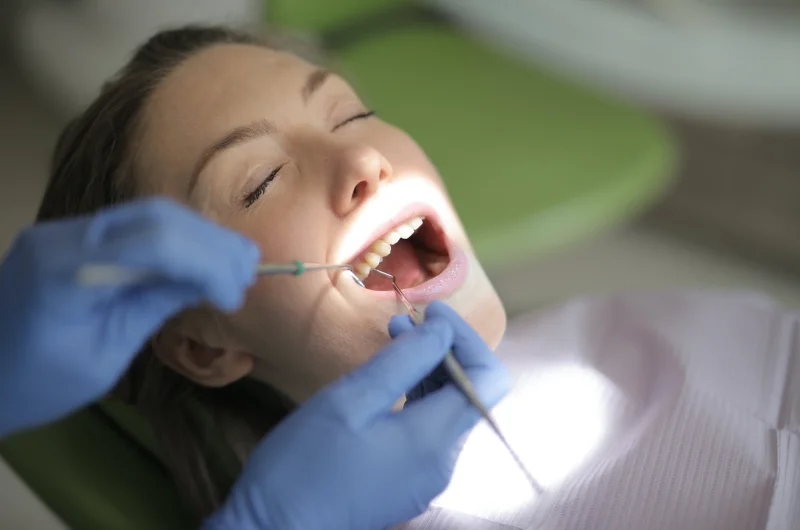
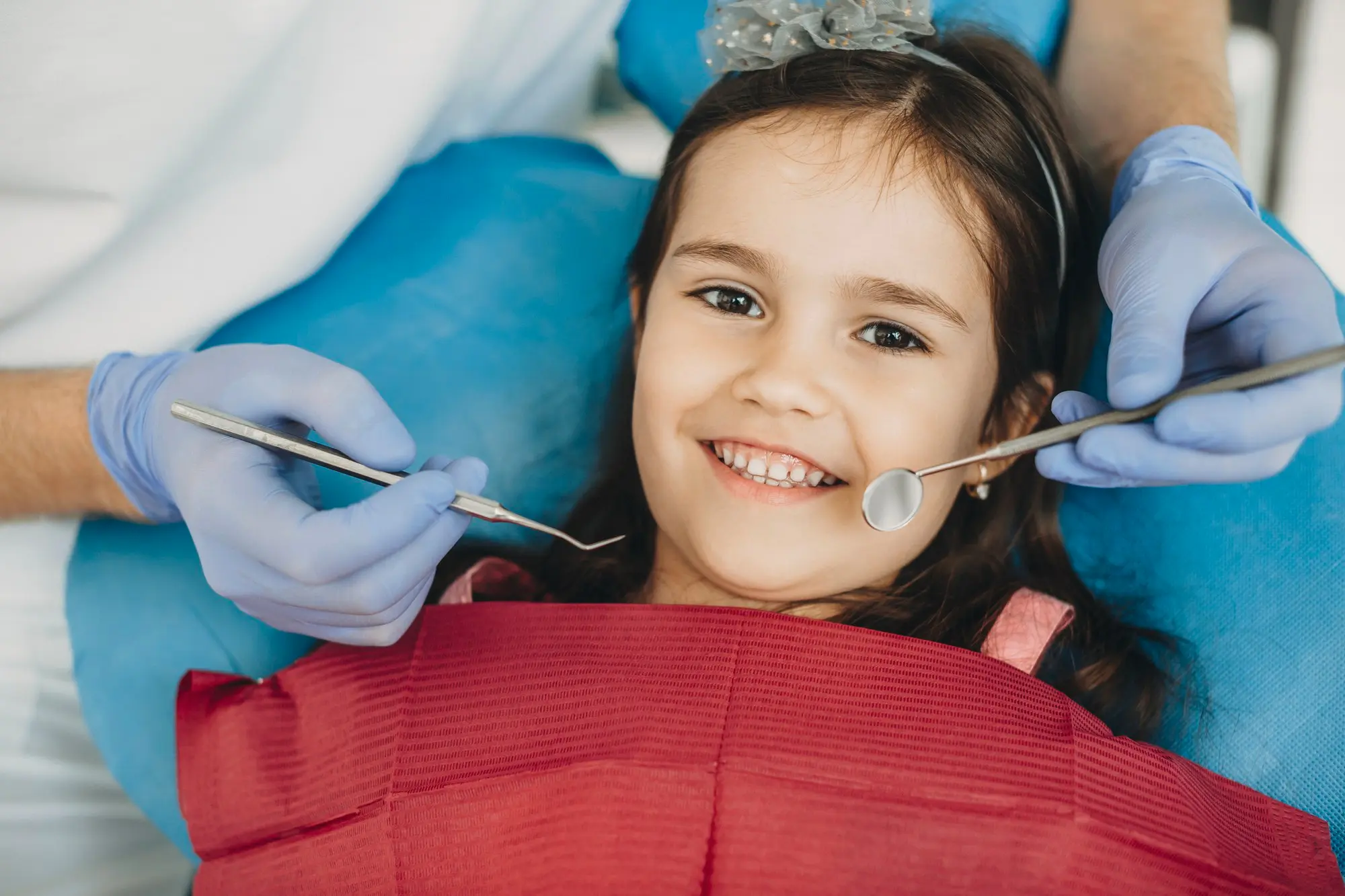
Many parents worry that dental visits may be uncomfortable for their children, but modern pediatric dentistry is designed to provide gentle, stress-free care. Preventive treatments such as cleanings, fluoride applications, and routine examinations are typically painless. Pediatric dentists use child-friendly techniques, advanced equipment, and a calm environment to help children feel safe and relaxed throughout their visit.
If treatment is required, the dentist carefully explains each step and uses appropriate pain management techniques, including local anesthesia when necessary, to ensure your child remains comfortable. Whether treating a cavity, placing a sealant, or performing a simple dental procedure, the primary goal is to protect your child’s oral health while creating a positive dental experience.
After treatment, children may experience mild sensitivity for a short period depending on the procedure performed, but this usually resolves quickly. Parents are provided with clear aftercare instructions to support healing and maintain oral health at home. Regular dental visits, good oral hygiene, and healthy eating habits significantly reduce the likelihood of complex dental treatments in the future, helping children maintain healthy, confident smiles as they grow.
Signs Your Child Needs to Visit the Dentist
Even if your child is not complaining of pain, certain signs may indicate that it’s time for a dental check-up. Early evaluation can prevent minor issues from becoming more serious and helps maintain healthy teeth and gums.
They Have Tooth Pain or Sensitivity
Persistent tooth pain or sensitivity to hot, cold, or sweet foods may indicate tooth decay or enamel damage. A dental examination can identify the cause and provide early treatment before the problem worsens.
They Have White or Brown Spots on Their Teeth
White chalky patches or brown spots on your child’s teeth may be early signs of tooth decay. Detecting cavities early allows for simple treatment and helps prevent further damage.
Their Breath Has a Persistent Bad Odour
Bad breath that continues despite regular brushing may indicate plaque buildup, cavities, or gum problems. A dental visit can identify the underlying cause and improve your child’s oral health.
Their Gums Are Red, Swollen, or Bleeding
Healthy gums should appear pink and should not bleed during brushing. Swollen or bleeding gums may be an early sign of gum disease or poor oral hygiene and should be evaluated by a dentist.
They Have Difficulty Eating or Speaking
If your child avoids certain foods, has trouble chewing comfortably, or experiences changes in speech due to dental issues, it’s important to seek professional care. Early treatment helps ensure proper oral development, nutrition, and overall well-being.
Building Healthy Dental Habits for Life
Good oral health begins with the habits children develop at an early age. Teaching your child to brush and floss correctly, drink plenty of water, and make tooth-friendly food choices lays the foundation for lifelong dental health. Parents play an important role by making oral hygiene fun, leading by example, and encouraging regular dental visits. With consistent care and preventive dentistry, children are more likely to grow up with strong teeth, healthy gums, and the confidence to smile brightly throughout every stage of life.
Book a Consultation
It’s easy and free!